Morocco Atlas Mountains & Desert Tour: Complete Travel Guide
Introduction
A Morocco Atlas mountains & desert tour connects two of the country’s most distinctive landscapes: the dramatic peaks and valleys of the Atlas Mountains and the wide-open scenery of the Sahara. Instead of treating the desert as a single overnight stop, this kind of journey makes the road itself part of the experience. You can cross mountain passes, visit earthen villages and historic kasbahs, walk through oasis valleys, and eventually reach the dunes near Merzouga.
The best itinerary depends on how much time you have, where you want to finish, and whether you prefer a fast-paced highlights trip or slower travel with extra nights. This guide covers the main route, suggested three-, four-, and five-day plans, desert experiences, accommodation choices, seasonal considerations, and practical questions to ask before booking.
Why Combine the Atlas Mountains and Sahara Desert?
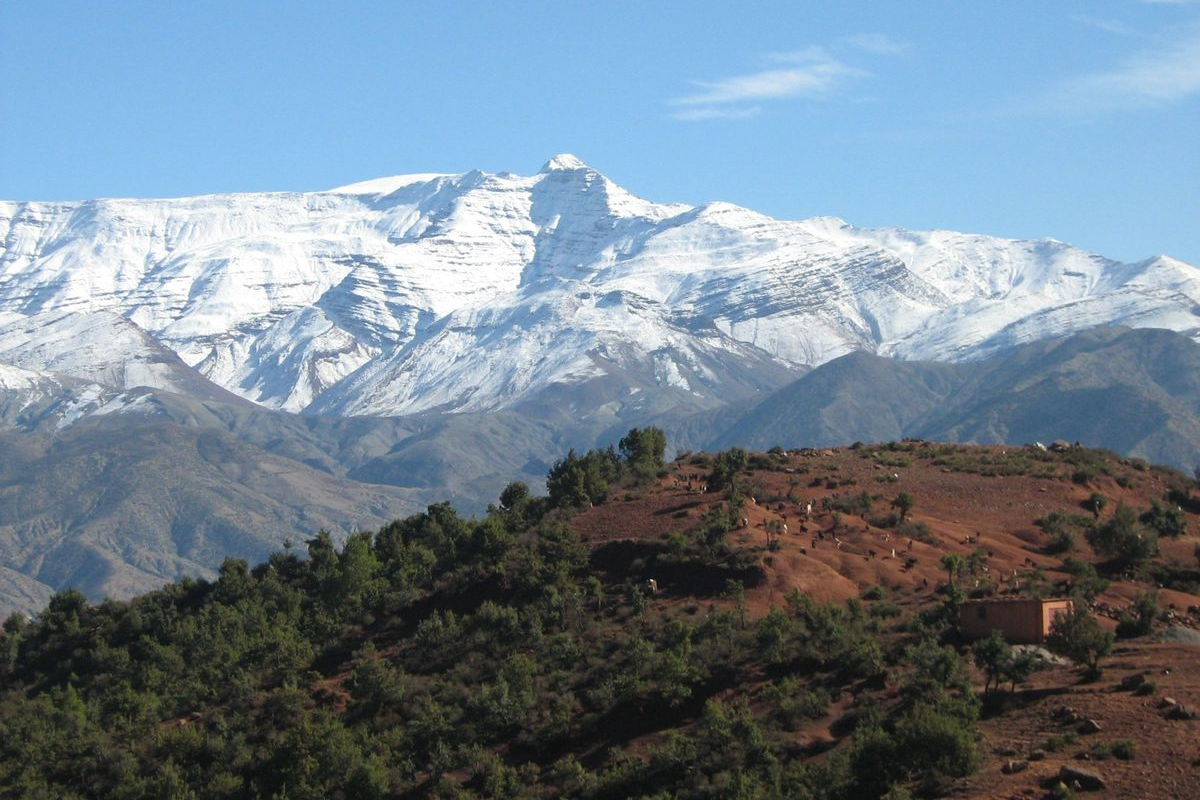
The appeal of combining these regions is contrast. Near Marrakech, the High Atlas offers steep roads, mountain villages, and panoramic viewpoints. Further southeast, the terrain opens into rocky plateaus, palm groves, and valleys with fortified architecture. Near Merzouga, the dunes of Erg Chebbi create an entirely different setting.
A well-designed Morocco Atlas mountains & desert tour gives each landscape some room. A mountain viewpoint is not the same as a guided walk through a village; likewise, reaching the Sahara at sunset is different from spending a full day exploring its surroundings. When comparing trips, look at how the operator distributes driving hours and sightseeing time.
The journey can suit first-time visitors, families, photographers, and small groups, but it is important to be realistic. Merzouga is far from Marrakech, and no private vehicle can remove the distance. More days generally mean a more comfortable pace.
The Classic Route from Marrakech to the Sahara
Most itineraries leave Marrakech and cross the High Atlas on the road toward Ouarzazate. The route commonly includes Ait Ben Haddou, the Dades or Todra region, and the southeastern towns leading to Merzouga. Exact stops and overnight locations depend on road conditions and the tour length.
The route is flexible rather than fixed. Some travelers return to Marrakech, while others continue to Fes after visiting the desert. If you want to finish in a different city, tell the operator before requesting a quote because the route, hotel nights, and total cost may change.
High Atlas Mountains and Tizi n’Tichka Pass
The first major landscape change comes as the road climbs from the Marrakech plain into the High Atlas Mountains. The Tizi n’Tichka crossing offers expansive views on clear days, with switchbacks, hillside settlements, and changing rock colors. This is a scenic mountain drive, not a short excursion, so plan for a measured pace and regular breaks.
Weather can affect the crossing, especially in winter. Rain, snow, or roadworks may require changes to the planned timetable. Ask your driver to prioritize safe travel over a strict schedule. If your trip includes time for village walks or local food stops, confirm these in advance rather than assuming they are included.
Ait Ben Haddou and Ouarzazate
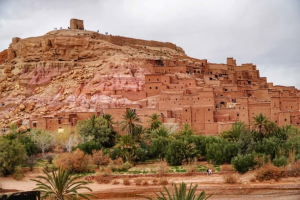
Ait Ben Haddou is a traditional fortified settlement, or ksar, known for its earthen architecture. It is a UNESCO World Heritage Site and a popular stop on journeys toward the desert. Walking through the settlement gives a much better sense of its layout than taking only a roadside photo. Allow time for the climb and bring comfortable shoes.
Nearby Ouarzazate is a useful overnight base and a gateway to southern valleys. Depending on your interests, a tour might include historic architecture, film-related sites, or a quiet evening before the next driving day. Entrance fees and local guiding services may not be included in the headline tour price.
For authoritative background on the ksar, consult the UNESCO World Heritage Centre: UNESCO World Heritage Centre.
Dades Valley and Todra Gorge
Beyond Ouarzazate, many tours pass through oasis country and the Dades Valley, where rock formations and winding roads create memorable views. A night in the valley can help break the journey into manageable stages. If you are interested in photography, ask whether the itinerary allows time for stops beyond the main roadside viewpoints.
Todra Gorge offers a different experience. Its steep canyon walls frame a narrow valley where visitors can often take a short walk. Conditions and access vary, so follow local guidance and avoid planning an ambitious hike without appropriate time, equipment, and support. These stops add variety to a Morocco Atlas mountains & desert tour and make the transition from mountains to desert feel gradual.
Merzouga and the Erg Chebbi Dunes
Merzouga is a well-known gateway to the Erg Chebbi dunes in southeastern Morocco. The approach is striking: rocky plains and settlements give way to large sand formations. Many tours time arrival for late afternoon, when the light is softer and a camel trek or transfer to camp can be arranged.
A desert overnight is often the emotional highlight of the journey, but it should not be rushed. Ask how long the transfer to camp takes, what happens if you arrive after sunset, and whether the camp is in the dunes or near their edge. A well-organized operator will explain these details clearly.
If you prefer not to ride a camel, ask about a vehicle transfer. Activities such as sandboarding or a separate 4×4 excursion should be treated as optional unless they appear in the written inclusions.
Three-Day Atlas Mountains and Desert Itinerary
Day 1 — Marrakech to the Dades region. Leave Marrakech in the morning, cross the High Atlas, and visit Ait Ben Haddou if timing permits. Continue through the Ouarzazate area to an overnight stop in or near the Dades Valley. This is a substantial driving day, so sightseeing stops need to be selective.
Day 2 — Dades Valley to Merzouga. Visit Todra Gorge and travel east toward the dunes. Arrive near Merzouga in time for the planned camel trek or camp transfer when conditions allow. Enjoy dinner and an overnight stay at the desert camp.
Day 3 — Merzouga to Marrakech. After sunrise and breakfast, begin the long return journey. Expect many hours on the road and fewer sightseeing stops than on the outbound route. This option works for time-limited travelers who understand that the final day is primarily a transfer.
A three-day Morocco Atlas mountains & desert tour can be memorable, but it is not the most relaxed option. Travelers who dislike long drives should consider at least four days.
Four-Day Atlas Mountains and Sahara Itinerary
Day 1 — Marrakech to Ouarzazate. Cross the High Atlas and visit Ait Ben Haddou, with an overnight in Ouarzazate or the surrounding area. This allows more time for the mountain route and cultural sites.
Day 2 — Ouarzazate to Merzouga. Travel through the southern valleys, stopping at Todra Gorge if practical. Continue to Merzouga for sunset, a camel trek or alternative transfer, dinner, and the desert camp.
Day 3 — Explore the Merzouga region. Spend additional time around Erg Chebbi. Depending on the operator and your preferences, activities might include a guided 4×4 outing, a visit to a nearby community, photography, or simply a quiet afternoon near the dunes. Choose experiences that respect local residents and the fragile desert environment.
Day 4 — Return to Marrakech. Travel back with planned rest stops. The final drive is still long, but the extra desert day means the overall trip is less compressed.
A four-day plan is a strong middle ground for travelers who want both mountain scenery and a meaningful desert stay.
Five-Day Journey: More Time for Mountains and Valleys
With five days, you can slow down the mountain crossing, add a second night in a valley or desert location, or arrange a one-way journey that finishes in Fes. One possible plan is Marrakech to the High Atlas and Ait Ben Haddou on day one; the Dades Valley on day two; Merzouga on day three; an additional desert-area day on day four; and a return or onward transfer on day five.
The details matter more than the number on the brochure. A five-day itinerary that adds many distant detours may still feel rushed. Ask for a day-by-day route with approximate driving hours, planned meals, overnight locations, and activity durations.
If finishing in Fes, the journey generally continues through the Ziz Valley and Middle Atlas region rather than retracing the full road to Marrakech. Confirm that this is a one-way package and that the final transfer is included.
Camel Trekking and Overnight Desert Camps
A camel trek is a popular way to experience the dunes near Merzouga, especially close to sunset. Trek duration varies by camp location, weather, and operator. Wear comfortable clothing, keep electronics protected from sand, and follow the handlers’ instructions. Anyone who does not want to ride can ask whether a 4×4 transfer is available.
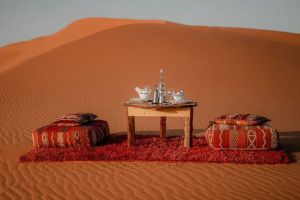
Desert camps vary widely. A simple camp may have shared facilities, while higher-comfort options may advertise private bathrooms, more substantial bedding, or electricity. These labels are not standardized. Ask for recent photographs and written confirmation of the tent category, bathroom arrangements, heating, hot water, dinner, breakfast, and luggage transfer.
The evening might include a shared meal and music, or a quieter atmosphere under the stars. Neither should be guaranteed without confirmation. Night temperatures can drop sharply, so pack a warm layer even when daytime conditions are pleasant.
Private Tour or Shared Group Tour?
A private trip usually provides a vehicle reserved for your group and more control over reasonable stops and hotel choices. It is especially useful for families, travelers with particular accommodation needs, or people who want to spend more time in the mountains rather than at shopping stops. However, “private” does not necessarily mean an exclusive desert camp or a licensed guide at every attraction.
A shared tour is often less expensive per person and follows a more fixed schedule. It may be suitable if you are traveling alone and comfortable with group departures. Compare the actual itinerary, not just the headline price. Check vehicle capacity, hotel standards, meals, desert transfer arrangements, and cancellation terms.
Best Time to Visit the Atlas Mountains and Sahara
Spring and autumn are often appealing for a combination of mountain sightseeing and desert activities, though conditions vary by month and elevation. Summer can be very hot in the Sahara, making midday activity uncomfortable. Winter can bring cold desert nights and weather-related delays on mountain roads.
A Morocco Atlas mountains & desert tour crosses regions with different climates, so pack for both. Layers, a warm jacket, comfortable walking shoes, sun protection, and a refillable water bottle are useful. Check the weather close to departure rather than relying only on seasonal averages.
Sunrise and sunset times also change through the year. Ask the operator how the schedule adapts to daylight, especially if camel trekking or a camp transfer is a priority.
What Is Included in a Tour Price?
Tour prices depend on the duration, group size, vehicle, accommodation category, season, and included activities. Rather than relying on a generic “from” price, request a written quote for your exact dates and number of travelers.
Common inclusions may be private or shared transport, a driver, fuel, selected hotel nights, a desert camp night, and some meals. Camel trekking is included in some packages but not others. Common extras include lunches, drinks, entrance fees, licensed local guides, optional excursions, tips, and accommodation upgrades.
Ask whether the quote is per person or for the entire group, whether taxes and fees are included, and what happens if a route changes because of weather. Clear information is more valuable than a low price that leaves important details uncertain.
How to Choose a Reliable Tour Operator
Start by checking whether the company provides a detailed route and realistic driving times. A responsible operator should be able to name the accommodation category, explain what is included, and answer questions about transport and desert camp arrangements.
Read recent independent reviews with attention to the specifics: punctuality, communication, vehicle comfort, how changes were handled, and whether the actual camp matched the description. Reviews can be useful, but they should not replace a written booking agreement.
Before paying a deposit, confirm the total cost, payment method, cancellation policy, refund terms, pickup location, and emergency contact details. If you have accessibility needs, food allergies, or children requiring suitable seats, discuss these in advance.
Packing Tips for Mountains, Valleys, and Dunes
Pack light but prepare for varied conditions. Comfortable shoes help at Ait Ben Haddou and Todra Gorge, while a scarf or light face covering can be useful when the wind carries sand. Sunglasses, sunscreen, a hat, and a reusable water bottle are practical in exposed areas.
For the camp, bring a small overnight bag with warm clothing, toiletries, any essential medication, a charger or power bank, and a flashlight if useful. Large luggage may travel separately from you during the camp transfer; ask the operator how bags are handled.
Keep important documents and valuables with you. Download maps or travel details ahead of time, since connectivity can be inconsistent in remote areas. A little preparation makes the journey easier without overpacking.
Responsible Travel in the Atlas and Sahara
The mountains and desert are living landscapes, not simply photo backdrops. Respect local customs, ask before photographing people, and avoid leaving litter at viewpoints or camps. Use refillable bottles when practical and follow local guidance about water use in arid regions.
When booking village visits or cultural experiences, look for arrangements that benefit local guides, artisans, and hosts. Avoid entering private homes or photographing residents without permission. In the dunes, follow the operator’s environmental rules and stay on appropriate routes for motorized excursions.
Responsible travel also means planning realistically. Overly packed schedules encourage rushed stops and long days on the road. Choose a pace that allows time to appreciate the places you visit.
Frequently Asked Questions
How many days do I need? A three-day round trip from Marrakech is possible but involves long drives. Four or five days usually provide a more comfortable balance of mountains, valleys, and desert time.
Does every tour include Merzouga? No. Some shorter tours visit Zagora or other southern destinations. Confirm the exact desert region and whether the itinerary reaches the Erg Chebbi dunes.
Can I finish in Fes instead of Marrakech? Often yes, if arranged as a one-way itinerary. The route and total price may change, so request this before booking.
Is camel trekking compulsory? No. Ask whether a vehicle transfer to camp is offered as an alternative.
Are luxury camps always private? Not necessarily. You may have a private tent in a camp shared with other guests. Check bathroom and tent arrangements carefully.
Can children join? Many families travel this route, but long driving days are an important consideration. Request appropriate child seats and plan rest breaks.
What is the best season? Spring and autumn often offer comfortable conditions, while summer heat and winter mountain weather require extra planning. Always check the forecast before departure.
Is Ait Ben Haddou included? It is a common stop but not guaranteed. Verify the written itinerary and whether any local guide or entrance fee is included.
Final Thoughts
A Morocco Atlas mountains & desert tour is at its best when the route feels like a journey rather than a race to the dunes. The High Atlas provides spectacular scenery, Ait Ben Haddou and the southern valleys add cultural and geographic depth, and Merzouga offers a memorable desert overnight.
Choose an itinerary that matches your available days, ask for clear inclusions, and allow flexibility for weather and travel conditions. With thoughtful planning, the combination of mountains and Sahara can be one of the most rewarding ways to discover Morocco.