5 Days tour from Marrakech: the complete Atlas & Sahara itinerary
Why a 5 Days tour from Marrakech is the perfect short Morocco adventure
A 5 Days tour from Marrakech is ideal for a short Morocco trip. It packs a lot into just five days. First, you leave the lively streets of Marrakech. Then, you cross the High Atlas Mountains. After that, you reach kasbahs and desert valleys. Finally, you arrive at the Sahara near Merzouga.
This itinerary feels immersive, not rushed. The scenery changes every day. In addition, you meet local hosts along the route. Therefore, it suits first-time visitors and busy travelers. It also works well for couples, friends, and families.
What you’ll see (and why this route is one of the best desert tours)
This route follows a classic south Morocco corridor. It usually goes Marrakech → Atlas → Aït Ben Haddou → Dades/Todra → Merzouga (Erg Chebbi). As a result, the journey stays coherent. Each day builds on the previous one. You see mountains first. Then you enter the desert landscapes.
Moreover, the cultural side is strong. You explore ksours and kasbahs. You also enjoy local meals outside big cities. In the end, you sleep in a desert camp under the stars. That desert night is often the highlight.
Day 1: Marrakech → High Atlas (Tizi n’Tichka) → Aït Ben Haddou → Dades Valley
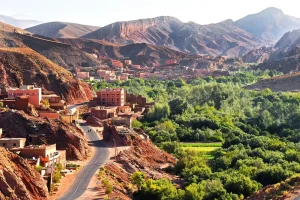
First, you’ll leave Marrakech in the morning and begin climbing into the High Atlas Mountains, usually via the famous Tizi n’Tichka pass. As you gain altitude, the air becomes cooler and the views become wider; meanwhile, the road reveals terraced hillsides, tiny villages, and dramatic switchbacks. Because this is one of Morocco’s most scenic drives, short stops for photos and mint tea are not only pleasant—they’re part of the experience.
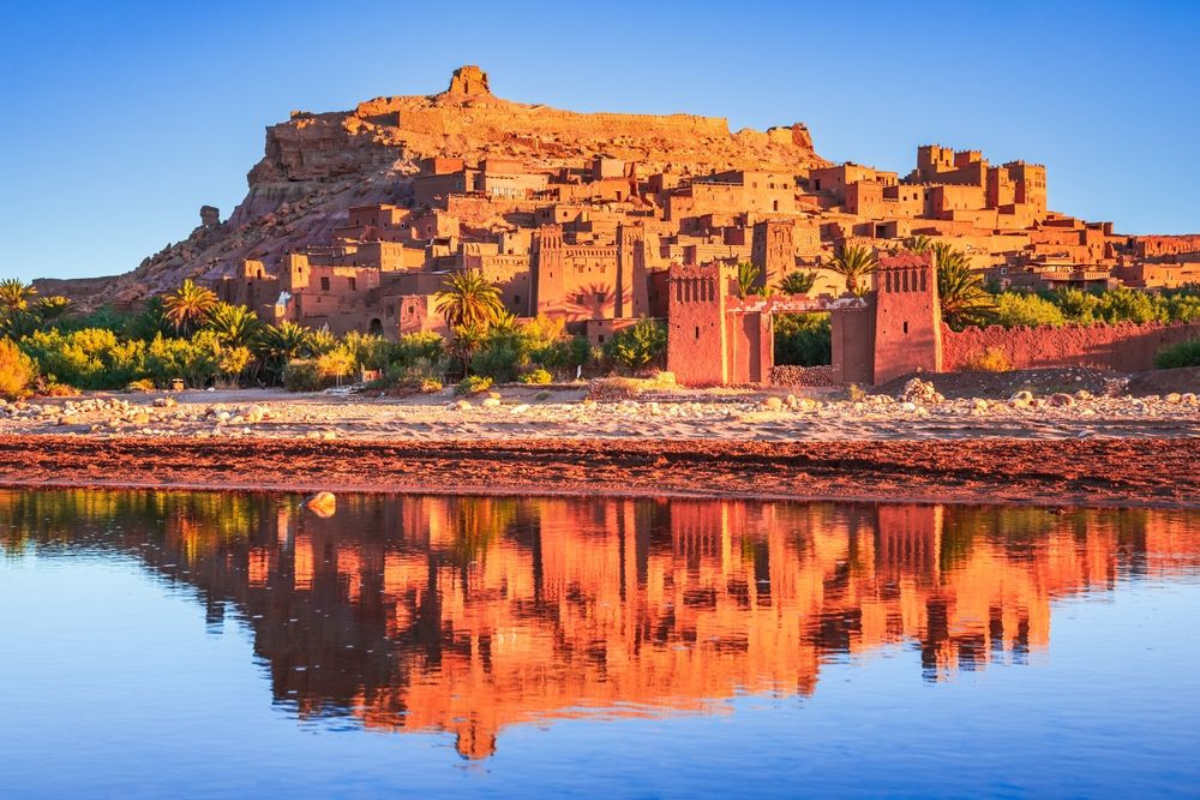
Afterwards, you’ll typically visit Aït Ben Haddou, a UNESCO-listed ksar known for its earthen architecture and cinematic history. Next, the route continues toward the Dades area, where the landscape becomes more arid, more sculpted, and more intensely red at sunset. Consequently, arriving in the Dades Valley feels like entering “southern Morocco” for real, especially when you check into a kasbah-style hotel or local guesthouse surrounded by cliffs and rock formations.
Day 2: Dades Valley → Todra Gorge → Erfoud/Rissani → Merzouga (Erg Chebbi)
On day two, the journey gets even more dramatic, because you’ll travel from valley panoramas to canyon walls. Typically, you’ll pass through villages built from mudbrick and stone, and you may stop at viewpoints that reveal the winding road carved into the hills. Then, you reach Todra Gorge, one of the region’s most impressive natural sites, where steep limestone cliffs rise above a narrow riverbed—an ideal place for a gentle walk and a refreshing break.
Later, you’ll continue through desert-edge towns such as Erfoud or Rissani, where the atmosphere shifts again: you start seeing palm groves, drier plains, and the first real signs that the Sahara is near. Finally, you arrive in Merzouga, home to the towering dunes of Erg Chebbi. At this stage, the desert doesn’t feel like an “add-on”; instead, it becomes the main event, and you’ll likely end your day watching the light change over the dunes before dinner at a desert lodge or the start of your camp experience.
Day 3: Merzouga desert experience → camel trek (or 4×4) → night in a Sahara camp
Day three is the emotional peak of a Sahara desert tour from Marrakech, because you slow down and truly experience the desert rather than just “arrive” at it. Depending on your tour style, you may explore the surrounding area by 4×4, visit small desert communities, or learn about how water, agriculture, and trade shaped life around the dunes. Additionally, many tours include cultural moments—like local music—provided they are done respectfully and without turning communities into a spectacle.
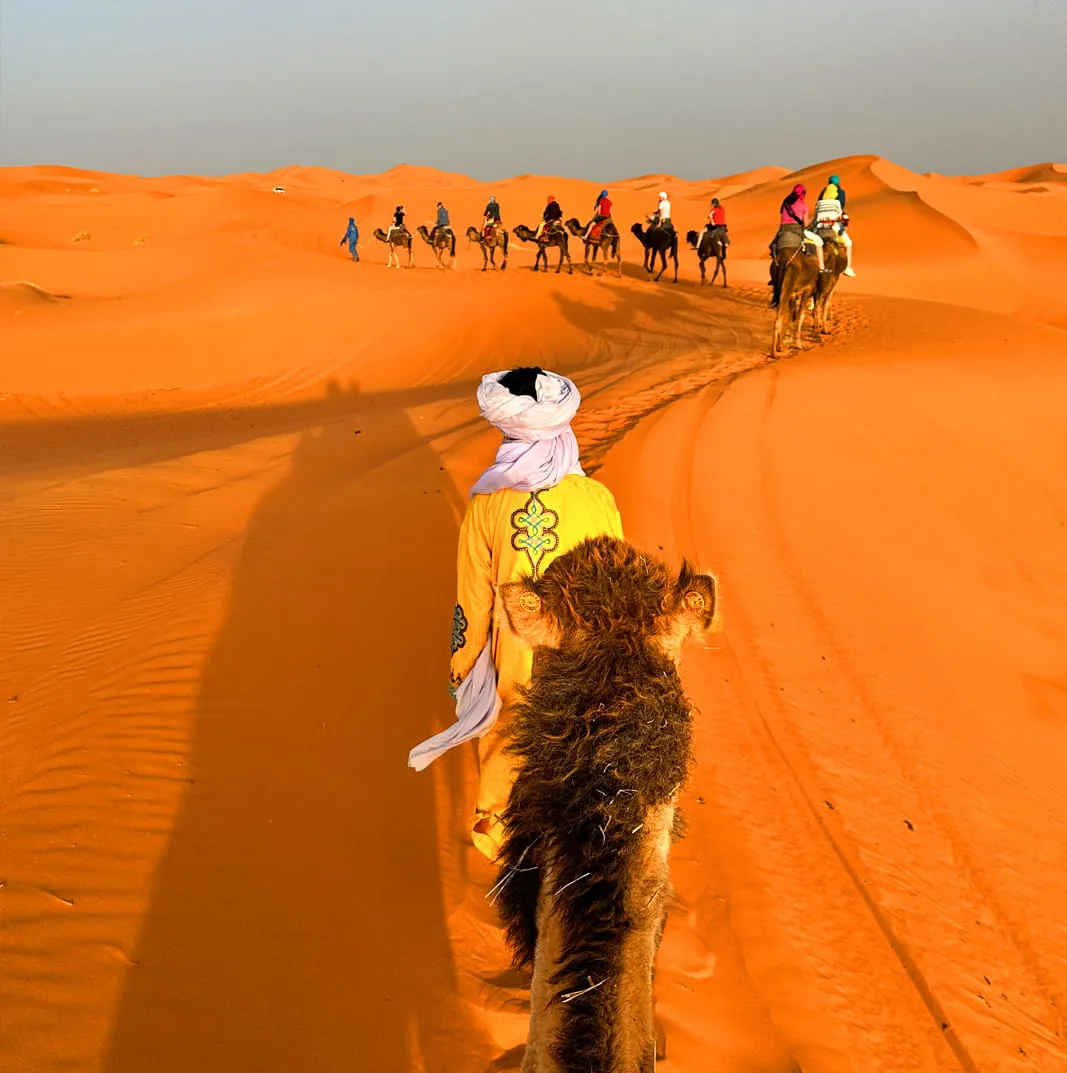
In the late afternoon, you’ll usually head into the dunes for sunset, often by camel trek, although a 4×4 transfer is sometimes available if you prefer. As a result, you reach the camp when temperatures drop and the desert becomes calm and silent. After dinner, you can enjoy the stars (often brighter than you’ve ever seen), and then sleep in a tent that ranges from simple to luxury depending on what you book. Therefore, when choosing a camp, it’s wise to confirm the bedding, the bathroom setup, and the camp’s location relative to the higher dunes.
Day 4: Merzouga → Draa Valley (or alternative route) → Ouarzazate area
After sunrise—an unmissable moment in Erg Chebbi—you’ll leave Merzouga and begin the return journey. However, day four doesn’t have to feel like “just driving back,” because the route can be shaped around Morocco’s most scenic valleys. Many itineraries head toward the Draa Valley, a ribbon of palm groves and kasbahs that follows the riverbed and creates a striking contrast against the surrounding desert plains. Consequently, this day often delivers some of the best “road trip” views of the entire tour.
Later, you’ll typically reach the Ouarzazate region again (or a nearby town), which is a logical overnight stop before returning to Marrakech. In addition to being convenient, this area offers a strong cultural layer: kasbahs, film history, and a sense of being at the gateway between Sahara landscapes and mountain passes. Therefore, a well-planned day four includes a few meaningful stops—rather than too many—so you arrive at your accommodation with enough energy to enjoy dinner and rest properly.
Day 5: Ouarzazate / High Atlas → Marrakech (arrival and end of tour)
On the final day, you’ll cross the High Atlas once more, which feels completely different in the opposite direction. If the weather is clear, the mountain light is often spectacular, and the final panoramic stops can be some of your favorites. Moreover, this part of the route is a good time to reflect on how much Morocco you’ve seen in just a few days: mountains, kasbahs, gorges, oases, and dunes—each with its own colors and rhythm.
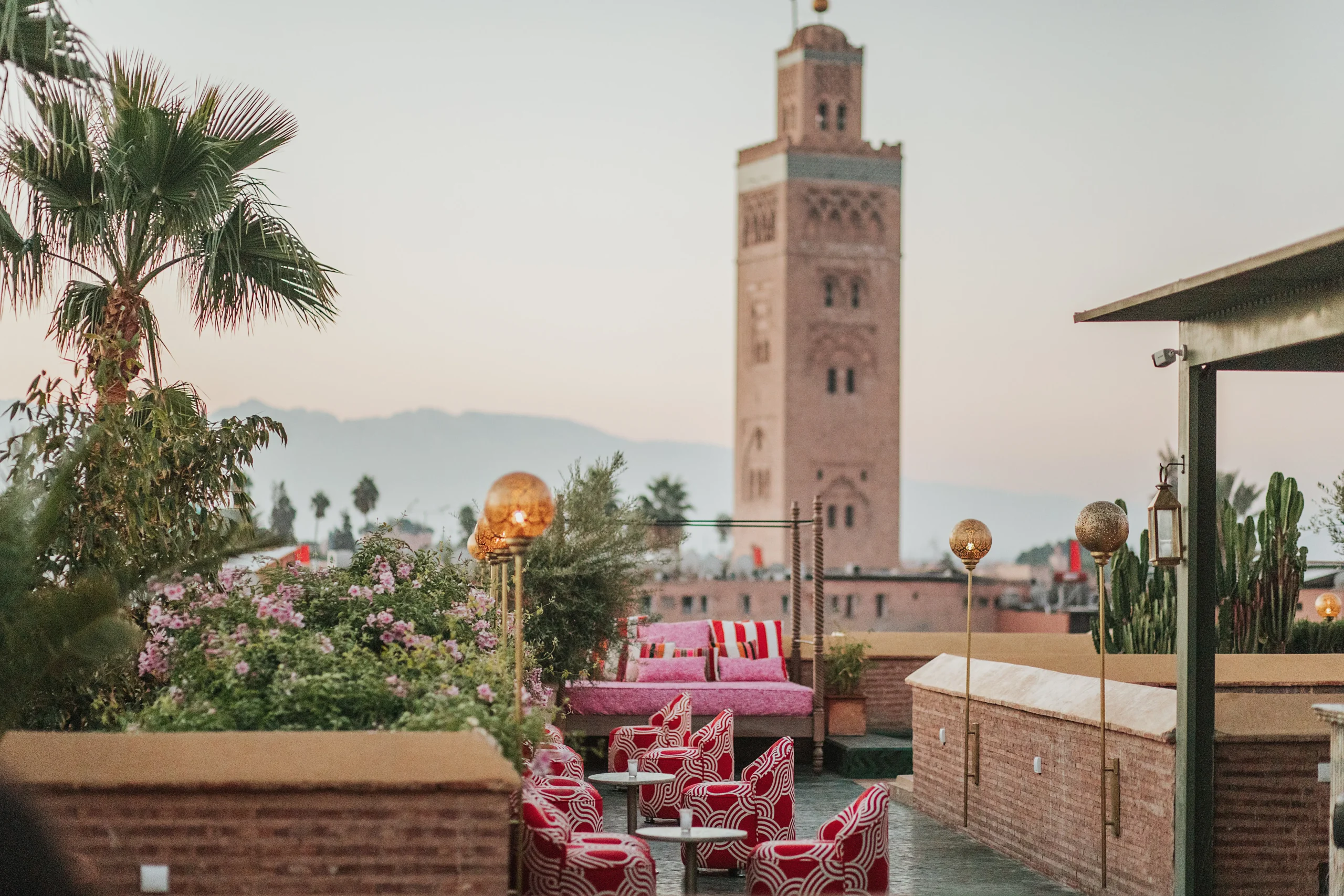
Finally, you’ll arrive back in Marrakech, usually in the afternoon. Consequently, it’s smart to plan your post-tour schedule with flexibility, especially if you have a flight: road conditions and stop times can affect arrival. If you’re staying an extra night, however, you can end your trip in the perfect way—by enjoying a relaxed evening in the medina, a hammam, or a rooftop dinner—knowing you’ve completed a full Morocco desert adventure in a compact, well-structured itinerary.
Best time to do a desert tour from Marrakech (weather, comfort, and crowds)
Generally, the best seasons for a 5 Days tour from Marrakech are spring (March to May) and autumn (September to November). During these months, daytime temperatures are usually comfortable, and nights in the desert are cooler but manageable with proper layers. Moreover, the sunlight is ideal for photography: the dunes glow at sunrise and sunset, while the Atlas landscapes look crisp and dramatic.
Summer is still possible, but you’ll need to plan intelligently; therefore, early departures, shaded breaks, and hydration become essential. Winter, on the other hand, can be surprisingly pleasant during the day, yet cold at night—especially in the desert—so warm clothing is not optional. Consequently, when comparing tours, it’s worth checking not only the itinerary but also the departure times, camp quality, and the expected night temperatures in Merzouga for your travel dates.
Accommodation: riads, kasbah hotels, and choosing the right desert camp
Accommodation on this route is part of what makes the trip memorable. In the valleys, you’ll often stay in small hotels or guesthouses with kasbah-style architecture, which feels more authentic than a generic roadside stop. Additionally, these places tend to offer hearty Moroccan dinners—tagines, soups, salads, and fresh bread—that match the rhythm of the journey and help you recover after road days.
The desert camp is the big decision point, because “camp” can mean very different comfort levels. Therefore, check whether the camp is standard or luxury, whether it has private bathrooms, and how far it sits inside the dunes (some camps are closer to the edge, while others are deeper in Erg Chebbi). Moreover, ask about bedding and heating in colder months, because a good night of sleep strongly impacts how you enjoy the sunrise, the camel trek, and the return drive.
Transport and road reality: how long you’ll drive (and how to make it enjoyable)
A Marrakech-to-Merzouga itinerary involves real driving time, and being honest about that makes the tour better, not worse. Typically, each day includes several hours on the road, especially day 1 and day 2; however, the drives are scenic, and a professional driver will pace the day with viewpoint stops and breaks. Consequently, the journey becomes a moving panorama rather than a test of endurance—if the schedule is designed well.
To keep the experience comfortable, prioritize a clean, air-conditioned vehicle and a tour that limits unnecessary detours. In addition, consider whether you prefer private transport (more freedom for stops and photo breaks) or a small group (more budget-friendly and social). Therefore, when you compare options, look beyond the headline price: the vehicle quality, the guide/driver experience, and the accommodation standard often matter more than saving a small amount.
Budget: what’s usually included (and what to clarify before booking)
Pricing for a 5 Days tour from Marrakech can vary widely depending on comfort level, private vs group, and the quality of the desert camp. Often, the cost includes transport, driver/guide, several nights of accommodation, dinners and breakfasts, and the camel trek (or desert transfer) to the camp. However, lunches, drinks, tips, and some entrance fees may be excluded, so it’s wise to ask for a clear inclusions list before you confirm your booking.
Moreover, “cheap” tours can become expensive if they cut corners in ways that impact your experience—like poor camp conditions or rushed schedules. Therefore, evaluate value rather than price alone: a slightly higher budget can mean better meals, safer driving, cleaner rooms, and a more enjoyable desert night. Consequently, a transparent tour operator will explain the difference between standard and luxury camps, clarify meal plans, and confirm pickup/drop-off details in writing.
What to pack (smart desert essentials) + practical travel tips
Packing well makes the desert feel magical instead of uncomfortable. First, bring layers: light clothes for the day, plus a warm jacket for the evening, because desert temperatures drop quickly after sunset. In addition, pack comfortable walking shoes, sunglasses, sunscreen, lip balm, and a scarf (useful for wind and dust). Moreover, a small flashlight or headlamp is helpful in camps, and a power bank is a practical backup for long photo days.
Practical tips matter just as much as gear. Therefore, keep some cash for lunches, small purchases, and tips in rural areas where cards may not work. In addition, drink water regularly even if you don’t feel thirsty, and be cautious with heavy meals right before long drives if you’re sensitive to motion. Consequently, a little planning—like having snacks, wipes, and a light daypack—can make every stop more comfortable and keep the itinerary running smoothly.
if you have 3 or 4 days
Not everyone has five days, and that’s exactly why Morocco offers shorter variations that still deliver the Sahara. For example, a 3-Day Desert Tour from Marrakech to Merzouga (often searched as Marrakech to Merzouga 3 Days) is a faster version of this route, usually with longer driving days and fewer stops, but it still includes the key highlight: dunes + desert camp. Similarly, a 3-Day Desert Tour from Marrakech to Fes (also searched as Marrakech to Fes 3 Days) is a popular point-to-point option if you want to cross Morocco and avoid backtracking to Marrakech.
If you can add one extra day, the experience becomes more comfortable and often more scenic. A 4-Day Desert Tour from Marrakech to Erg Chebbi is ideal if you want Merzouga dunes with a less rushed pace, while a 4-Day Desert Tour from Marrakech to Fes is a strong choice for travelers building a northbound itinerary. Meanwhile, those who prefer a wilder, more remote desert often consider Erg Chigaga: options like a 3-Day Desert Tour from Marrakech to Erg Chigaga can exist but tend to be very intense, whereas a 4-Day Desert Tour from Marrakech to Erg Chigaga is usually the more realistic and enjoyable format. Finally, if you want the full “best of both worlds,” a 5-Day Desert Tour from Marrakech to Fes gives you the extended desert feel plus a convenient arrival in Fes—while still closely matching the spirit of this 5 Days tour from Marrakech guide.
Morocco Atlas mountains & Desert tour: how to make the journey feel truly authentic (without overplanning)
A great Morocco Atlas mountains & Desert tour is not just about checking off famous locations; it’s about how you experience them. Therefore, prioritize quality moments: a calm walk in Todra Gorge, a sunset on the dunes without rushing, and a relaxed dinner where you can actually enjoy the food and conversation. Moreover, choosing locally owned accommodations (when possible) supports families in the valleys and helps keep the experience grounded in real hospitality rather than mass tourism.
At the same time, authenticity also means traveling responsibly and respectfully. Consequently, ask your guide before photographing people, avoid staged interactions that feel uncomfortable, and treat desert environments with care by leaving no trash behind. In addition, keep expectations realistic: the Sahara is vast, and each season has different conditions; however, with a good itinerary and a mindful approach, the desert night, the Atlas views, and the kasbah landscapes will feel cohesive and unforgettable—exactly what travelers hope to find when searching for a 3-Days Tour From Marrakech, a 4-day option, or the full 5 Days tour from Marrakech.