
The High Atlas is home to Amazigh (Berber) communities whose villages cling to mountain slopes above green valleys. Visiting them is one of the most authentic experiences near Marrakech: earth-built houses, terraced fields, walnut and almond trees, and a warm welcome over mint tea. This guide explains where to go and how to visit respectfully.
Who Are the Amazigh People?
The Amazigh, often called Berbers, are the Indigenous people of North Africa. In the High Atlas, many families still farm small terraced plots, raise animals and speak Tamazight. Their architecture, crafts and hospitality are an essential part of Moroccan culture. Read more in our article on Berber culture.

Where to See Berber Villages near Marrakech
Imlil and the Toubkal valleys
The best-known area, surrounded by high peaks and walking trails. See our Imlil day trip guide.
The Ourika Valley
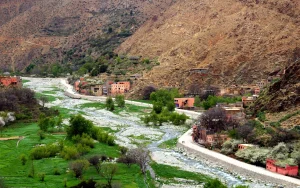
The closest valley to Marrakech, with riverside villages and terraces. Our Ourika Valley day trip includes a visit to the Berber villages along the river.
Amizmiz and the western Atlas
A quieter area southwest of Marrakech, popular for gentle hikes between villages.
Villages on the road to the desert
Routes over the Tizi n’Tichka pass also pass mountain villages and kasbahs, which you can see on our tours from Marrakech.
What to Expect
- Architecture: houses built from earth and stone, blending into the mountainside.
- Agriculture: terraced fields irrigated by traditional channels.
- Hospitality: mint tea, bread and sometimes a home-cooked meal.
- Weekly markets: many valleys have a weekly souk where villagers trade produce and animals.

How to Visit Respectfully
- Dress modestly, covering shoulders and knees.
- Always ask before taking photos of people or homes.
- Travel with a local guide who can introduce you to families and translate.
- Buy crafts or food directly from villagers to support the local economy.
Best Time to Visit
Spring and autumn are ideal for walking between villages. Summer is cooler in the mountains than in Marrakech, while winter can bring snow and cold nights. See the best time to visit the Atlas Mountains.
Best Berber Villages in the Atlas Mountains
The Berber villages of the Atlas Mountains are among the most authentic places to visit near Marrakech. In the Toubkal area, villages like Aroumd sit on terraces at the foot of the highest peaks. In the Ourika area, small hamlets line the river among walnut and fruit trees. Further east, the Ait Bouguemez valley, known as the Happy Valley, keeps a very traditional rural life, with earth houses, fields and fortified granaries.
How to Visit Berber Villages
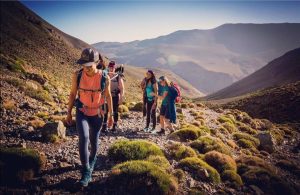
The best way to visit Berber villages in the Atlas Mountains is with a local guide, on foot along mule paths between the villages. Your guide introduces you to families, explains daily life and often arranges tea or lunch in a traditional house. Respect local customs: dress modestly, ask before taking photos and accept hospitality with a smile.
Day Trip or Trek?
A day trip from Marrakech is enough to visit one or two villages and enjoy the mountain views. For a deeper experience, a trek of two to four days lets you sleep in village guesthouses and share the rhythm of mountain life. See our Atlas Mountains day trip from Marrakech and our trekking tours in Morocco.
Best Season
Spring is the most beautiful season, with blossoming trees and green terraces. Summer is cooler than Marrakech, autumn brings the harvest, and winter covers the peaks with snow.
Life in a Berber Village
Daily life in the Berber villages of the Atlas follows the seasons. Families grow barley, potatoes, walnuts and apples on small terraces irrigated by mountain streams, and keep sheep, goats and mules. Women often work in the fields and prepare bread in clay ovens, while men take care of the animals and the irrigation. In the evening, families gather around tea and a tagine cooked over the fire. Visiting with respect and curiosity is the best way to discover this warm and simple way of life.
Supporting Local Communities
Choosing local guides, guesthouses and cooperatives brings income directly to the villages. Buying argan oil, honey or woven rugs from cooperatives also helps families, especially women, earn a living from their traditional skills.
Tell us your interests and fitness level, and we will suggest the best Berber villages to visit in the Atlas Mountains, from easy walks to longer treks.
Every village has its own character, and every visit brings a new encounter with the hospitality of the mountains.
Frequently Asked Questions
Can I visit a Berber village on a day trip from Marrakech?
Yes. The Ourika Valley and Imlil are both within easy reach for a day trip.
Do I need a guide?
It is not compulsory for short visits, but a local guide makes the experience richer and more respectful.
What language do people speak?
Most villagers speak Tamazight and Moroccan Arabic. Many people working with visitors also speak French and some English.
Visit the Atlas with a Private Guide
Explore our day trips from Marrakech or contact us to arrange a private visit to the Berber villages of the High Atlas.
Best Berber Villages to Visit
| Village | Area | Highlight |
|---|---|---|
| Imlil | Toubkal valley | Walnut groves and mountain views |
| Aroumd | Above Imlil | Terraced fields under Toubkal |
| Tacheddirt | High Atlas | A remote village at about 2,300 m |
| Setti Fatma | Ourika Valley | River and waterfalls |
| Ait Bouguemez villages | Central High Atlas | Earth houses and the Sidi Moussa granary |
What to Expect in a Berber Village
Life in the villages follows the seasons: barley and walnut harvests, flocks of sheep and goats, and baking bread in clay ovens. Visitors are often invited for mint tea, which is a sign of hospitality. Dress modestly, ask before taking photos of people and remove your shoes when entering a home.
Responsible Visiting
- Visit with a local guide from the valley.
- Buy crafts directly from cooperatives.
- Do not give sweets to children; support local schools instead.
- Leave no rubbish on the trails.
How to Visit
Visit the villages on the Atlas Mountains day trip or the Ourika Valley day trip, or stay overnight on the Atlas Mountains trek. Read Berber culture in Morocco.
Related private tours