At 4,167 metres, Mount Toubkal is the highest mountain in North Africa and one of Morocco’s most rewarding adventures. The classic route starts from the village of Imlil and reaches the summit in two days, with a night at a mountain refuge. This guide explains the route, the best season and how to prepare.
The Classic 2-Day Toubkal Route
Day 1: Imlil to the Toubkal refuge
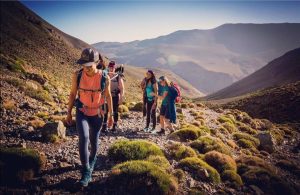
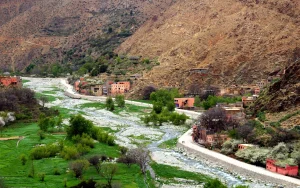
The trek begins in Imlil and follows the valley past the village of Aroumd and the shrine of Sidi Chamharouch before climbing steadily to the refuges at around 3,200 metres. Mules can carry luggage on this section. The day ends with dinner and an early night.
Day 2: Summit and descent
Climbers usually leave before dawn to reach the summit in the morning. The final ascent crosses rocky slopes and scree before reaching the summit marker, with views across the High Atlas. After the summit, the route returns to the refuge and descends to Imlil.

How Difficult Is Toubkal?
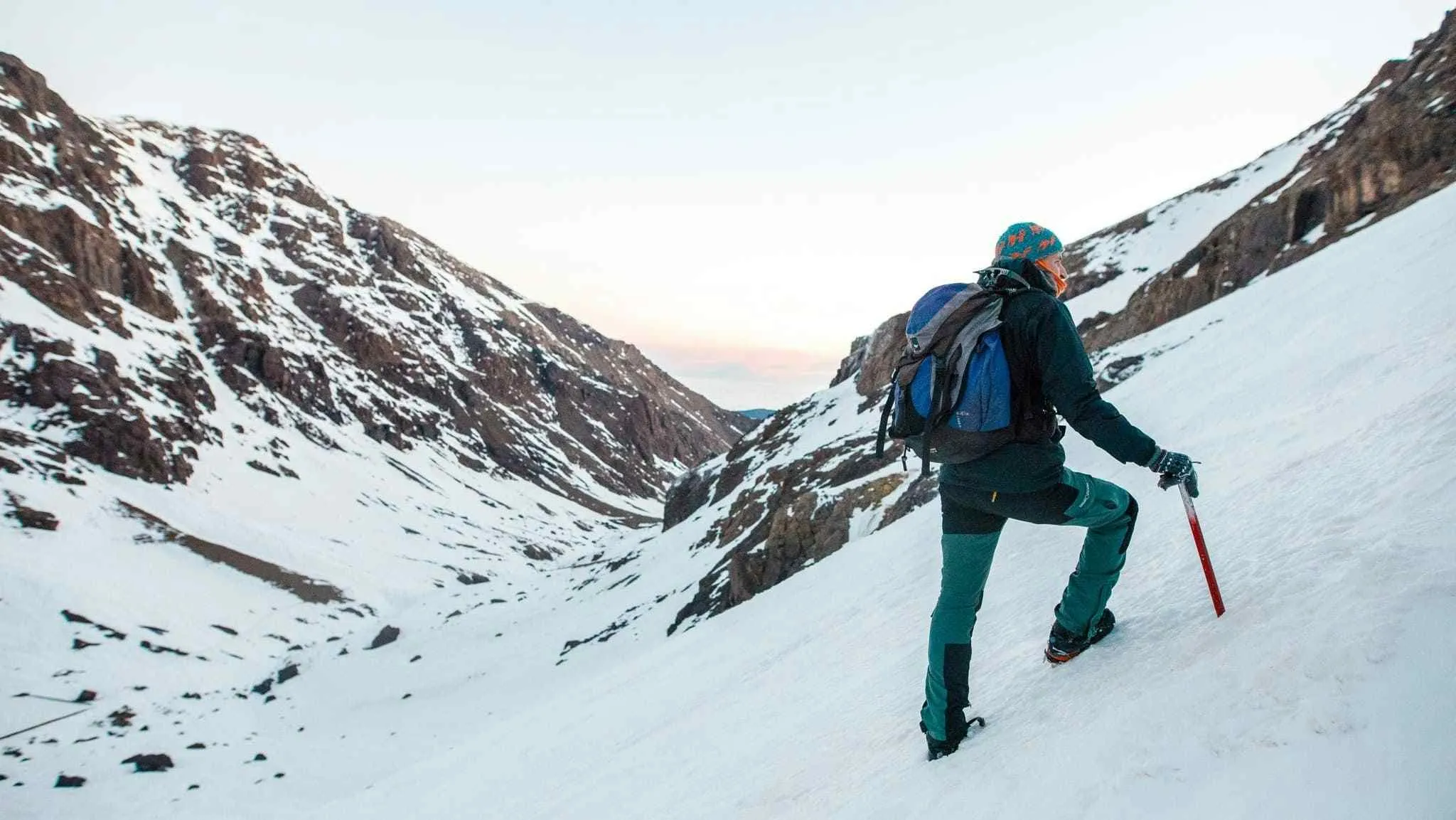
In summer and early autumn, the standard route is a non-technical trek, but it is long and steep, and altitude can affect walkers. A good level of fitness and steady pacing are essential. In winter and early spring, snow and ice turn the climb into a mountaineering ascent that requires crampons, an ice axe and experience.
Do I Need a Guide?
Local regulations have required trekkers on Toubkal to be accompanied by a licensed mountain guide. Rules can change, so check the current requirements before you go. A guide also handles logistics, mules and refuge bookings and knows the conditions on the mountain.
Best Time to Climb Toubkal
- Late spring to autumn: the most popular season for a non-technical trek.
- Summer: warm in the valleys, cooler higher up; start early to avoid afternoon heat.
- Winter: snow and cold; only for experienced climbers with proper equipment.
See the best time to visit the Atlas Mountains.
What to Pack
- Sturdy hiking boots and trekking poles
- Warm layers, a windproof jacket, hat and gloves (even in summer)
- Sun protection, water bottle and snacks
- Headlamp for the early start on summit day
How Hard Is the Toubkal Climb?
The Toubkal climb is a non-technical ascent in summer, but it is a real mountain at 4,167 metres. You need good general fitness, the ability to walk six to eight hours on steep, rocky paths, and some experience of hiking. The main difficulties are the altitude, the long scree slopes near the summit and the cold early in the morning. Many trekkers feel headaches or shortness of breath above 3,500 metres; walking slowly, drinking plenty of water and sleeping at the refuge before the summit help the body adapt.
Toubkal Climb Itinerary
The classic Toubkal climb starts in the mountain village at the end of the valley road, about 90 minutes from Marrakech. On the first day, you walk past the village of Aroumd and the small shrine of Sidi Chamharouch to the Toubkal refuge, at about 3,200 metres, in five to six hours. On the second day, you leave before dawn to reach the summit in three to four hours, enjoy the panorama over the High Atlas and, on clear days, as far as the edge of the Sahara, then walk all the way back down. A third day makes the climb more relaxed and helps with acclimatisation.
Best Season for the Toubkal Climb
The best months are from May to October, when the path is usually free of snow. June and September are particularly pleasant, with stable weather and fewer people than in July and August. From around December to March, snow and ice cover the upper slopes, and the climb becomes a winter mountaineering route that requires special equipment, experience on snow and an experienced mountain guide.
Do You Need a Guide for Toubkal?
Climbing Toubkal with a licensed mountain guide is the rule in the national park and strongly recommended in every case. Your guide knows the route, the weather and the refuge, and can organise mules to carry your luggage. Book our 2-day Toubkal trek or our 3-day Toubkal trek with a local guide and private transfer from Marrakech.
Frequently Asked Questions
How long does it take to climb Toubkal?
Most people take two days from Imlil, though some prefer three days for better acclimatisation.
Can beginners climb Toubkal?
Fit beginners can climb it in summer with a guide and good preparation. Winter ascents are for experienced climbers only.
Where do I sleep?
Climbers usually spend the night in one of the refuges below the summit.
More Trekking in Morocco
Discover our private trekking tours in Morocco, from Jbel Saghro to the desert, or start with an easy Imlil day trip. Contact us to plan your Atlas adventure.
Plan this trip with a local driver: see our Toubkal trek in 2 days.
Climb with us: choose the Toubkal trek 2 days or the gentler Toubkal trek 3 days, with a licensed guide.
Toubkal in 2 Days or 3 Days?
| 2 days | 3 days | |
|---|---|---|
| Night 1 | Toubkal refuge | Guesthouse in Aroumd |
| Night 2 | — | Toubkal refuge |
| Acclimatisation | Limited | Better |
| Difficulty | Hard | Challenging but easier |
| Best for | Fit hikers short on time | Most hikers |
See the Toubkal trek 2 days and the Toubkal trek 3 days.
Altitude: How to Feel Good at 4,167 m
- Walk slowly, especially on the way to the refuge.
- Drink often, even if you do not feel thirsty.
- Eat well at the refuge, even with little appetite.
- Tell your guide about headaches or nausea; descending is the best cure.
- An extra night in Aroumd or Imlil helps a lot.
Summit Day
On summit day, you usually leave the refuge before dawn with a headlamp, climb a steep scree slope to the Tizi n’Toubkal pass and follow the ridge to the summit in about three to four hours. On a clear day, the view stretches over the High Atlas and, on very clear days, towards the Sahara. Then you descend all the way to Imlil, a long day of eight to nine hours in total.
Winter Ascents
From December to March, snow and ice cover the route, so crampons, an ice axe and experience are required. Many travellers instead choose a lower trek, such as the Atlas Mountains trek, or the Jbel Saghro trek.
Use our trekking packing list.
Related private tours