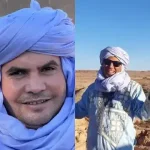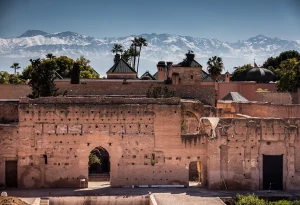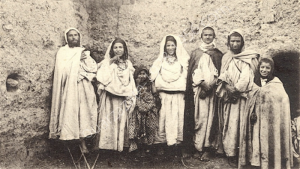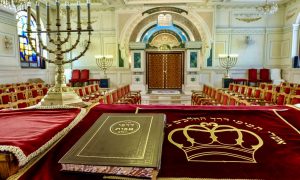

Jewish heritage tour guides make the difference between a quick look at a synagogue and a real understanding of more than 2,000 years of Jewish life in Morocco. Many sites are small, opened by caretakers and spread across several cities, so the right guide and the right planning matter. This article explains what to look for in a guide, which questions to ask and how to build your route.
What a good Jewish heritage guide should know
- History: the ancient Jewish presence in North Africa, the Amazigh (Berber) Jewish communities, the arrival of Sephardic Jews after 1492, life in the Mellahs and the emigration of the 20th century.
- Access: which synagogues, cemeteries and museums are open, who holds the keys, and on which days.
- Religious practice: Shabbat, Jewish holidays, kosher food and modest dress.
- Local relations: respectful contact with caretakers and community members, and the shared Jewish and Muslim history of each place.
Licensed guides in Moroccan cities
In Morocco, city tours in the medinas should be led by licensed official guides. Always ask whether your guide is licensed. For multi-city trips, a private driver handles the road between cities, and a local licensed guide joins you in each city for the visits. We can arrange a licensed city guide for each stop.

Questions to ask before you book
- Which synagogues and cemeteries will we actually enter, and on which days?
- How will the itinerary work around Shabbat and Jewish holidays?
- Can you arrange kosher meals or kosher-friendly options?
- Are entry fees and donations included?
- Is the tour private, and can we change the pace?
Key cities and sites
Casablanca
The Museum of Moroccan Judaism, Temple Beth-El and the old medina Mellah. Casablanca has the largest Jewish community today. Read our Casablanca Jewish heritage tour guide.
Fes
The first Mellah in Morocco, the Ibn Danan synagogue and the Jewish cemetery. Read our Fes Jewish heritage tour guide.
Marrakech
The Mellah, the Lazama synagogue and the Miaara cemetery. Read our Marrakech private Jewish heritage tour guide.

Essaouira, Rabat and Meknes
Essaouira once had a large Jewish population and is linked to Rabbi Haim Pinto, whose grave attracts pilgrims each year. Rabat and Meknes also have Mellahs and synagogues that can be added to a route.
Hiloulas: pilgrimages to the tombs of rabbis
Moroccan Jews traditionally visit the tombs of revered rabbis during the hiloula, an annual commemoration with prayers, meals and music. Well-known hiloulas include those of Rabbi Haim Pinto in Essaouira and Rabbi Amram Ben Diwan near Ouazzane. Dates follow the Hebrew calendar, so check them each year if you want to travel at that time.
Suggested routes
- 1 day: Casablanca or Marrakech city Jewish heritage tour.
- 5 days: Casablanca, Rabat, Meknes and Fes.
- 8 to 10 days: Casablanca, Fes, Marrakech and Essaouira, with the option of the Sahara.
Frequently asked questions
Is Morocco welcoming to Jewish visitors?
Morocco has a long history of Jewish life, and Jewish heritage is recognised in the country’s constitution. Many Jewish travellers visit every year, including Moroccan Jews from abroad returning to their families’ cities.
Can a guide speak Hebrew or French?
Many guides speak French and English; Hebrew-speaking guides are fewer, so ask early.
Do I need a guide for each city?
For medina visits, yes, a local licensed guide is recommended in each city. The driver accompanies you between cities.
Plan your Jewish heritage tour
See our Morocco Jewish heritage tours and our article on Jewish heritage in Morocco, or contact us and tell us your cities, dates and religious needs.