
What Is Tangia?
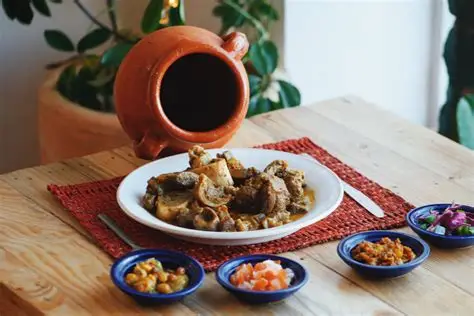
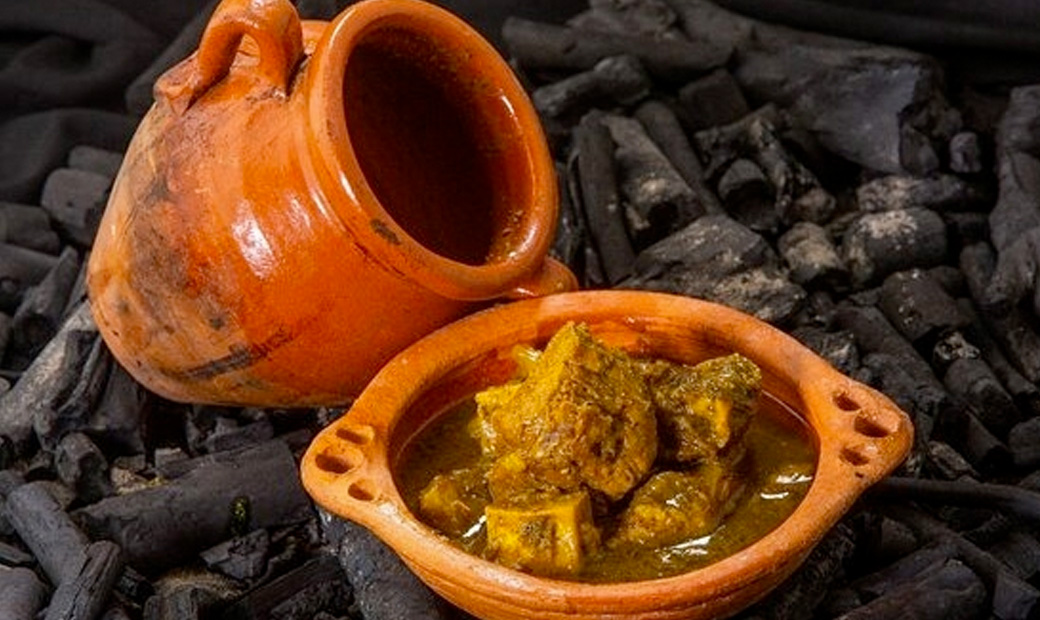
Tangia (also spelled tanjia) is the signature dish of Marrakech. The word means both the tall, narrow clay jar and the meal cooked inside it: beef or lamb with preserved lemon, garlic, cumin, saffron and smen (aged butter). The sealed jar is traditionally buried for hours in the hot ashes of a hammam furnace, the farnatchi, until the meat is meltingly soft. It is famously a men’s dish, prepared for gatherings and Friday outings, and you will find it in small grill stalls around Jemaa el-Fna and the Mellah. Want to make it yourself? Join our tangia cooking class in Marrakech.
Introduction: Discovering Morocco’s Legendary Dish
Tangia Marrakchia is more than just a meal; it is a culinary symbol of Marrakech. Named after the traditional clay pot in which it is slow-cooked, Tangia Marrakchia captures the essence of Moroccan flavors with tender meat, aromatic spices, and a rich, comforting sauce. For locals and travelers alike, it represents authenticity, tradition, and the heart of Marrakchi cuisine.
This dish is traditionally prepared by men in Marrakech, particularly in the old medina, where it’s cooked slowly in communal ovens or private homes, giving it a unique taste that is hard to replicate elsewhere. Eating Tangia Marrakchia is not just about food—it’s an experience that connects you with Moroccan culture, history, and hospitality.
Why Tangia Marrakchia is a Must-Try
Tourists often ask: why is Tangia Marrakchia so special among Moroccan dishes? The answer lies in its simplicity, depth of flavor, and the cultural story behind it.
Unlike tagines or couscous, which are found throughout Morocco, Tangia is strictly Marrakchi. The slow-cooked method allows the spices—typically saffron, preserved lemons, cumin, garlic, and olive oil—to infuse deeply into the meat. The result is a tender, aromatic dish with layers of flavor that reflect the city’s culinary heritage.
Moreover, Tangia Marrakchia is usually served with bread, allowing you to savor every drop of its rich sauce. It’s perfect for a family meal, a casual lunch, or a festive occasion.
For more Moroccan recipes, check our Moroccan Cuisine Recipes page.
How Tangia Marrakchia is Made
The magic of Tangia lies in its cooking method. Traditionally:
Meat Selection: Beef, lamb, or sometimes veal.
Spices & Aromatics: Garlic, saffron, cumin, olive oil, and preserved lemon.
Cooking Method: All ingredients are placed in a tall, urn-shaped clay pot called “Tangia.” The pot is sealed and slowly cooked for several hours, often in communal hammam ovens or home hearths.
The slow cooking gives the meat a melt-in-your-mouth texture and a deeply infused flavor. Unlike fast meals, Tangia Marrakchia is about patience, tradition, and savoring every bite.
Tangia Marrakchia Recipe (Home Oven Version)
In Marrakech, tangia cooks for hours in the embers of the farnatchi. At home, however, a slow oven gives a very close result. Here is the simple recipe our cooks share with guests.
Serves 4 · Preparation 20 minutes · Cooking 5 to 6 hours
Ingredients
- 1 kg beef shank or lamb shoulder, in large pieces
- 2 preserved lemons, quartered
- 1 head of garlic, peeled
- 1 teaspoon ground cumin
- A good pinch of saffron threads
- 1 tablespoon smen (aged butter), or butter
- 3 tablespoons olive oil
- Salt and black pepper
- 150 ml water
Steps
- Put the meat in a clay tangia jar or a heavy ovenproof pot.
- Add the preserved lemons, garlic, cumin, saffron, smen, olive oil, salt, pepper and water, then mix with your hands.
- Seal the top with baking paper and string, or close the pot with its lid and foil.
- Cook at 150 °C for 5 to 6 hours, until the meat falls apart.
- Serve with fresh bread, and eat with your fingers the Marrakech way.
Tip: do not open the jar while it cooks, because the steam keeps the meat soft.
Cook it in Marrakech: join our tangia cooking class in Marrakech, from the souk to the farnatchi fire.
Where to Taste the Best Tangia Marrakchia
Marrakech’s medina is full of hidden gems serving authentic Tangia:
Traditional Restaurants: Many family-run spots in the medina specialize in Tangia, often cooked in wood-fired ovens.
Street Vendors: Some local vendors prepare smaller portions, perfect for a quick taste.
Private Experiences: For travelers wanting the full experience, some local chefs offer private Tangia cooking sessions, teaching you the art of this legendary dish.
For more details on Moroccan cuisine and its history, visit Wikipedia – Moroccan Cuisine.
Tips for Enjoying Tangia Marrakchia
Timing: Tangia is best enjoyed freshly cooked; mornings are ideal for restaurants that slow-cook it overnight.
Pairings: Serve with fresh Moroccan bread and a cup of mint tea to complete the experience.
Portion: It’s hearty, so sharing is recommended, especially if tasting multiple Moroccan dishes.
Conclusion: A Taste of Marrakech You Cannot Miss
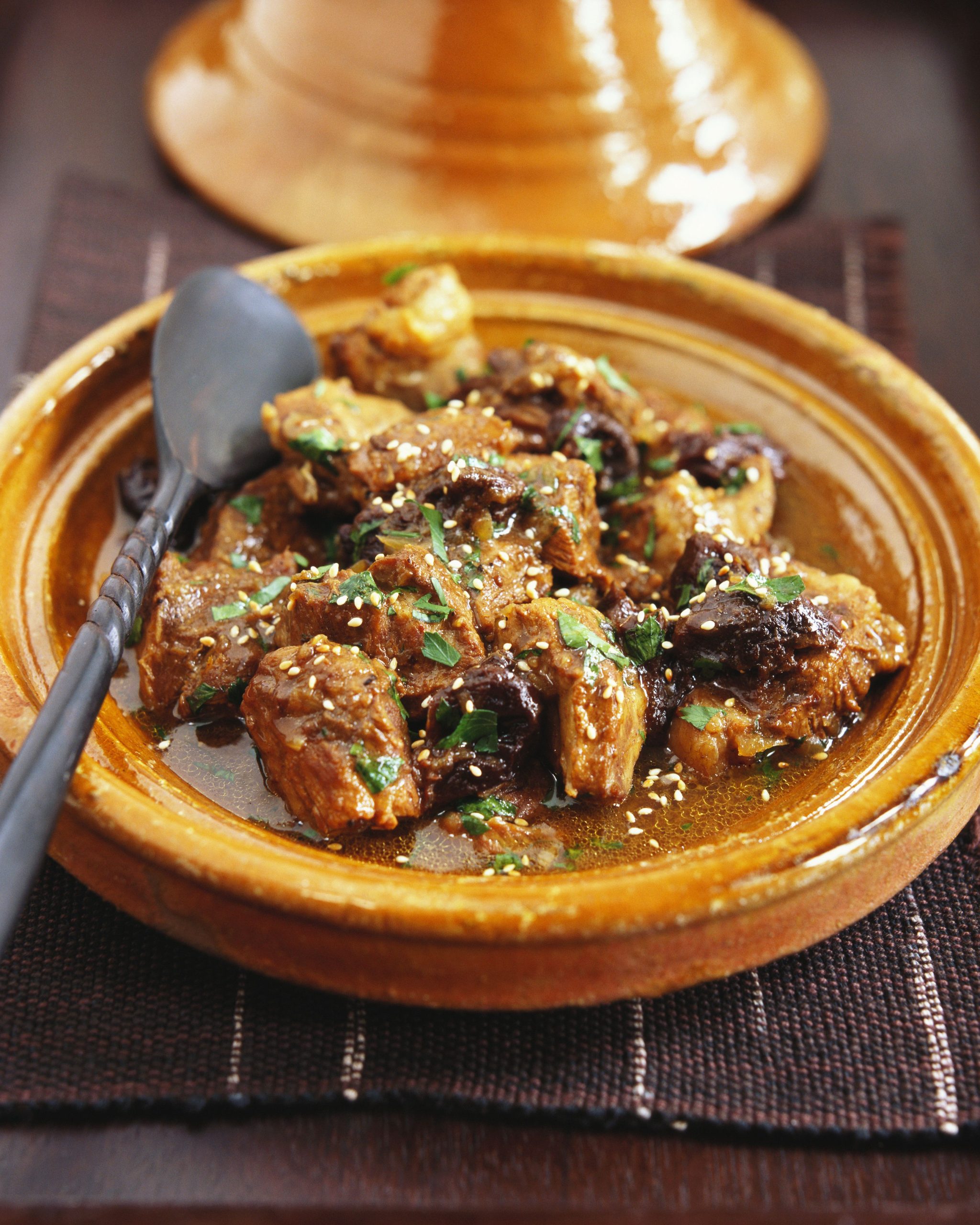
Tangia Marrakchia is not just food—it’s a tradition, a story, and a taste of Marrakech itself. From its aromatic spices to its tender meat and communal cooking style, it embodies the city’s heritage and warmth.
For travelers in Marrakech, trying Tangia is a culinary adventure that offers authenticity, flavor, and a connection to Moroccan culture. Whether you’re on a casual stroll through the medina or enjoying a private cooking experience, this iconic dish is a must-add to your Moroccan journey.
Cook it yourself: join our tangia cooking class in Marrakech, from the souk to the farnatchi fire.