
Berber Culture in Morocco: Exploring the Imazighen Heritage
Introduction
Berber culture in Morocco has profoundly shaped the nation’s identity for thousands of years, influencing its language, architecture, cuisine, and customs. The Berber people in Morocco, also known as the Imazighen, continue to play a vital role in shaping the modern cultural and historical heritage of the country. This article delves into how Berber culture in Morocco remains central to the country’s rich history and contemporary identity.
Plan your trip with a local team: see our Atlas Mountains trek, Atlas Mountains day trip and Ourika Valley day trip, or ask us for a free quote.
The Rich History of Berber Culture in Morocco

The Berbers, native to North Africa, have had a lasting influence on Morocco for millennia. Their culture, language, and traditions have become deeply integrated into the fabric of the nation. From the time of ancient kingdoms to the rise of influential dynasties, such as the Almoravids and Almohads, the Berbers’ contributions have significantly shaped Morocco’s cultural and social landscape. Today, the legacy of the Imazighen remains a critical part of Moroccan identity.
Berber Language in Morocco: Preserving an Ancient Tradition
The Berber language, or Tamazight, holds a prominent place in Morocco’s cultural heritage. While Arabic is the dominant language, Tamazight is spoken by around 30% of the population and is one of Morocco’s official languages. This ancient language has survived through centuries, preserving the Berbers’ rich traditions and customs. The recognition of Tamazight in the 2011 constitution has strengthened its role in the educational system and public life, ensuring its preservation for future generations.
The Influence of Berber Architecture in Morocco

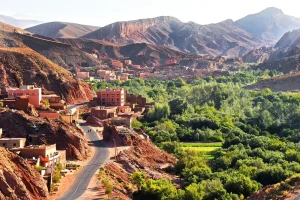
Berber architecture is a stunning representation of the ingenuity of the Imazighen. From the iconic kasbahs to the fortified earthen structures found in the Atlas Mountains, Berber architecture plays an essential role in Morocco’s architectural heritage. These distinctive buildings, made from local materials like clay and stone, reflect the Berber people’s deep connection with the environment and their ability to adapt to the challenging landscape. The kasbahs are not only fortresses but also symbols of the cultural resilience of the Berber people.
Berber Cuisine in Morocco: A Taste of Tradition

Berber cuisine in Morocco offers a perfect blend of ancient flavors and local ingredients. Dishes like couscous, tajine, and pastilla, which have their origins in Berber traditions, remain central to Moroccan gastronomy. Berbers’ use of slow cooking techniques ensures rich, flavorful meals, while the unique blend of spices like cumin, saffron, and cinnamon adds depth and character to every dish. Berber cuisine in Morocco reflects the Imazighen’s ability to make use of the natural resources available in the mountains, valleys, and deserts, creating meals that are both nourishing and deeply tied to tradition.
Celebrating Berber Music and Dance in Morocco
Berber music and dance in Morocco are an integral part of the country’s cultural expression. Traditional Berber music, often performed with drums, tambourines, and string instruments like the guembri, is a significant part of celebrations and social gatherings. The rhythms of Berber music convey the stories, struggles, and joys of the Imazighen people. Likewise, Berber dance, with its graceful and symbolic movements, serves as a medium for storytelling. Both music and dance are living traditions, continuously celebrated in festivals across Morocco.
Conclusion
The influence of Berber culture in Morocco is immeasurable, shaping many aspects of daily life. From language and cuisine to architecture and music, Berber traditions continue to be a cornerstone of Morocco’s identity. As Morocco moves forward, it remains crucial to preserve and celebrate this rich cultural heritage, ensuring that the diversity and traditions of the Berber people continue to thrive in the modern world.
Frequently Asked Questions (FAQ)
1. How does Berber culture impact Moroccan society today?
Berber culture in Morocco plays a fundamental role in shaping the nation’s customs, language, cuisine, and even its architectural style. The Berber people continue to influence Moroccan society, particularly in rural areas and the Atlas Mountains.
2. Does everyone in Morocco speak the Berber language?
No, although Tamazight, the Berber language, is an official language in Morocco, only about 30% of the population speaks it. Arabic is more widely spoken across the country.
3. Why is Berber culture important to Morocco?
Berber culture in Morocco is central to the country’s identity. It represents a direct link to Morocco’s ancient history and continues to influence many cultural practices, including food, language, and music.
4. Where can you find Berber architecture in Morocco?
Berber architecture is found primarily in the Rif and Atlas Mountains. The kasbahs and Berber villages in places like Ait Benhaddou, Ouarzazate, and the High Atlas offer clear examples of Berber architectural traditions.
5. What are traditional Berber musical traditions?
Berber music in Morocco is characterized by rhythmic beats played on drums and other percussion instruments. Traditional songs and dances are performed during celebrations, telling stories of the Berber people’s history, struggles, and culture.
Where to Experience Berber Culture in Morocco
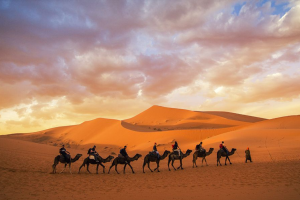
The best way to experience Berber culture in Morocco is to visit the regions where Amazigh traditions are still part of daily life. In the High Atlas, mountain villages welcome visitors for tea, lunch and walks between terraces, and the Ait Bouguemez valley keeps a very traditional way of life. In the south, the kasbahs of the Dades Valley and the oases of Skoura and the Draa show the architecture of earth and the life of the palm groves. In the Sahara, nomadic families still move with their animals near Merzouga and Zagora.
Respecting Local Traditions
When visiting Berber villages, dress modestly, ask before taking photos, and accept tea when it is offered: hospitality is central to Amazigh culture. Learning a few words of Tamazight, such as azul for hello and tanmirt for thank you, is always appreciated. A local guide helps you understand customs and makes the encounters more natural. See our Atlas Mountains day trip from Marrakech to visit Berber villages with a local guide.
Berber culture is also visible in everyday objects: hand-woven rugs, silver jewellery, pottery and the symbols painted on the walls of houses, each with its own meaning.