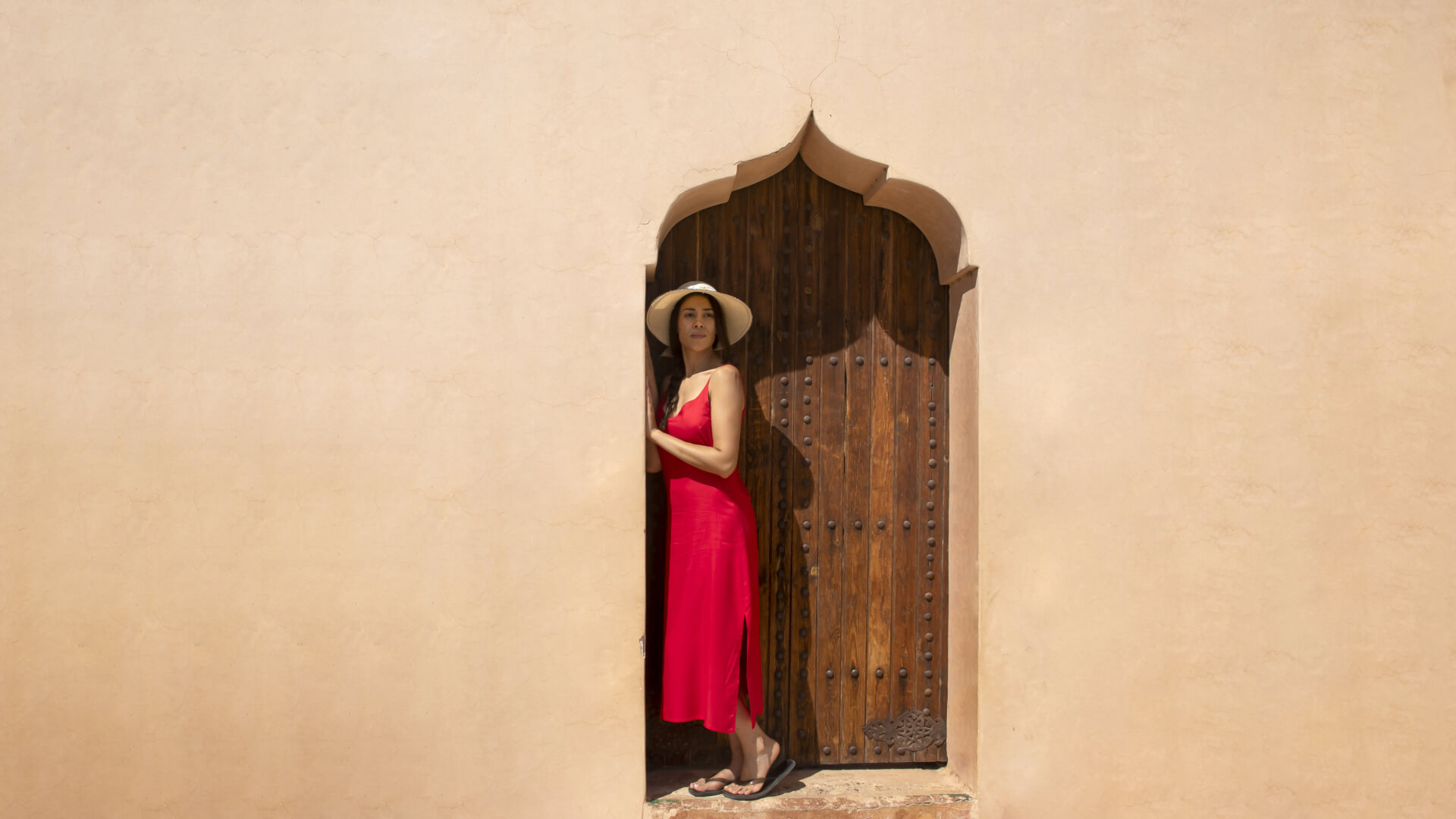
These Morocco travel tips come from more than 15 years of driving travellers across the country, from the souks of Marrakech to the dunes of Merzouga. In fact, the same questions come up on almost every trip: How much cash should I carry? What should I wear? Is the tap water safe? How do I avoid scams in the medina? In this guide, we answer them all, clearly and honestly, so you can arrive prepared and enjoy Morocco from the very first day.
Whether it is your first trip to Morocco or your fifth, these practical tips will help you save money, avoid stress and travel with more confidence.
Before You Go: Morocco Travel Tips for Planning
1. Choose the right season
The best time to visit Morocco is spring (March to May) and autumn (September to November). Summer is very hot inland, especially in the Sahara, while winter brings sunny days but cold nights. Read our full guide to the best time to visit Morocco.
2. Plan enough days
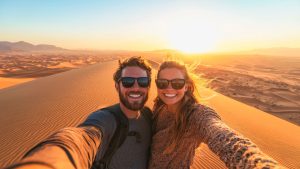
Morocco is bigger than it looks on a map. The high dunes of Merzouga are about 9 to 10 hours of driving from Marrakech, so you need at least three days for a desert trip. In general, seven to ten days is ideal for a first visit. Read how many days in Morocco.
3. Fly into one city and out of another
A one-way route, for example arriving in Marrakech and leaving from Fes, saves a full day of backtracking. Our 5-day tour from Marrakech to Fes follows exactly this logic.
4. Check entry requirements
Many nationalities, including citizens of the UK, the EU, the USA and Canada, can visit Morocco without a visa for short stays, usually up to 90 days. However, rules can change, so always check official sources before travelling, such as the UK entry requirements for Morocco. Your passport should be valid for your whole stay. Read our Morocco visa guide.
5. Book early for holidays
Easter, Christmas and New Year are the busiest weeks. The best riads and desert camps fill up weeks ahead, so book early. Read when to book a Morocco tour.
6. Buy travel insurance
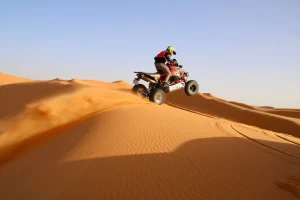
Choose a policy that covers medical care and activities such as camel rides, quad biking or trekking.
Money Tips for Morocco
7. Use dirhams
The Moroccan dirham (MAD) is a closed currency, so you usually cannot buy it before you arrive. Use ATMs at the airport or in the cities, or exchange cash at official exchange offices. Check the current exchange rate before you go.
8. Carry cash
Cards work in most hotels, riads and larger restaurants, but small shops, cafés, souks and taxis usually only accept cash. Keep small notes and coins for tips and purchases.
9. Bargain politely
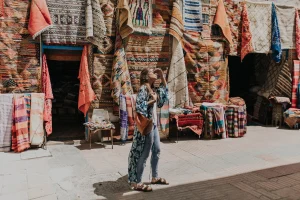
Bargaining is normal in the souks, but it should stay friendly. Start well below the first price, smile, and never agree to a price you are not willing to pay. Fixed-price shops and cooperatives exist too.
10. Tipping is expected
Tips are an important part of income for drivers, guides, camel handlers and riad staff. Leave a small tip in cafés and restaurants, and a larger one for your driver and guides at the end of a tour.
| Situation | Typical tipping custom |
|---|---|
| Café or simple restaurant | Round up or leave small change |
| Restaurant meal | Around 10% |
| Porters and luggage help | A few dirhams per bag |
| Local guide (half day) | A tip at the end, according to satisfaction |
| Private driver (multi-day tour) | A tip at the end of the trip |
Clothing and Culture Tips
11. Dress modestly
Loose clothes covering shoulders and knees are respectful and practical in medinas and villages. On the beach and in resorts, normal swimwear is fine. Read what to wear in Morocco.
12. Pack layers for the desert
The Sahara is hot by day and cold at night, especially from October to April. Bring a warm jacket for the camp. Read what to wear in the Sahara.
13. Learn a few words
Moroccans speak Darija (Moroccan Arabic), Amazigh (Berber) languages and often French. A few words go a long way: “Salam” (hello), “Shukran” (thank you), “La, shukran” (no, thank you) and “Bslama” (goodbye).
14. Ask before taking photos
Many people prefer not to be photographed. Always ask first, and expect performers in squares to ask for a tip.
15. Respect religious customs
Most mosques are closed to non-Muslims, with notable exceptions such as the Hassan II Mosque in Casablanca. During Ramadan, avoid eating or drinking in public during the day. Read Ramadan in Morocco.
16. Use your right hand
When eating from a shared dish or giving and receiving things, use your right hand, as is customary.
17. Accept mint tea
Being offered mint tea is a sign of hospitality. Accepting a glass is polite, even if you do not stay long.
Safety Tips
18. Morocco is generally safe
The main risks for visitors are pickpockets, small scams and road traffic, not serious crime. Read is Morocco safe.
19. Watch out for fake guides
In the medinas, young men may offer to show you the way, then ask for money or lead you to a shop. Politely say no and use a map, or book a licensed guide such as on our Marrakech medina tour.
20. “The road is closed”
If someone tells you a street is closed and offers to guide you, keep walking. It is a classic way to lead visitors to shops.
21. Agree on taxi prices
In petits taxis, ask for the meter or agree on the price before you get in. For long distances, a private driver is easier.
22. Keep valuables close
Use a cross-body bag, keep your phone in a front pocket and leave your passport in the hotel safe.
23. Avoid night driving
Mountain roads such as the Tizi n’Tichka pass are best driven in daylight. Read about the Tizi n’Tichka pass.
24. Save emergency numbers
| Service | Number |
|---|---|
| Police (cities) | 19 |
| Gendarmerie (rural areas) | 177 |
| Ambulance and fire | 15 |
Health and Food Tips
25. Drink bottled water
Tap water is treated in cities, but many visitors prefer bottled or filtered water to avoid stomach upsets.
26. Eat freshly cooked food
Tagines, grilled meats and soups cooked in front of you are usually safe. Be careful with salads and ice at small street stalls.
27. Try the local specialities
Do not leave without tasting tagine, couscous (traditionally on Fridays), pastilla, harira and tangia, the Marrakech speciality. Read about tangia marrakchia or join our tangia cooking class.
28. Protect yourself from the sun
Even in winter, the sun is strong. Bring sunscreen, sunglasses and a hat.
29. Bring basic medicines
Pack something for stomach upsets, headaches and blisters, and carry prescription medicines in your hand luggage.
Getting Around Morocco
30. Trains connect the main cities
The ONCF network links Tangier, Rabat, Casablanca, Fes and Marrakech, including the high-speed line between Tangier and Casablanca. See the ONCF website.
31. The desert needs a car
There is no train to the Sahara. A private tour or driver is the easiest way to reach Merzouga or Erg Chigaga. Read Marrakech to the Sahara.
32. Consider a private driver
A private driver saves time, avoids stress and lets you stop where you want. See our private driver in Morocco.
33. Medinas are best on foot
Cars cannot enter most medinas. Porters with handcarts carry luggage to riads; keep small change for them.
Accommodation Tips
34. Stay in a riad
A riad, a traditional house built around a courtyard, is the most charming way to stay in Marrakech or Fes. Read where to stay in Marrakech and the best riads in Marrakech.
35. Check access to your riad
Some riads are deep in the medina. Ask how to find it and whether someone can meet you.
36. Choose your desert camp carefully
Camps range from simple tents to luxury tents with private bathrooms. Read luxury vs standard Merzouga camps.
Practical Tips
37. Buy a local SIM card
SIM cards are cheap and available at the airport. Mobile data works in most areas, including near many desert camps.
38. Bring an adapter
Morocco uses European two-pin plugs and 220 volts.
39. Friday is special
On Friday around midday prayers, some shops close for a few hours.
40. Expect a slower rhythm
Things sometimes take longer than planned. Relax, drink a mint tea and enjoy the moment.
Our Top Experiences for a First Trip
To finish these Morocco travel tips, here are the experiences our guests remember most.
- A night in the Sahara dunes on the 3-day tour from Marrakech to Merzouga.
- A sunrise hot air balloon flight over Marrakech.
- A walk through the Atlas villages on the Atlas Mountains day trip.
- The medieval medina of Fes on the Fes medina guided tour.
- The blue town of Chefchaouen.
FAQ: Morocco Travel Tips
What should I know before travelling to Morocco?
Plan enough days, carry cash, dress modestly, bargain politely, and use licensed guides and trusted drivers.
Is Morocco expensive?
Morocco can suit many budgets; read our guide to how much a trip to Morocco costs.
Do I need cash in Morocco?
Yes, cash is essential for souks, small shops, taxis and tips.
Is it safe to travel alone in Morocco?
Yes, many travellers go alone; read solo travel in Morocco.
What is the best way to see Morocco?
For most first-time visitors, a private tour with a local driver is the most relaxed way; see our Morocco private tours.
Plan your trip with locals: send us your dates or message us on WhatsApp for a free, tailor-made quote.